
Uncategorized
Gem by Gem, Pain Free: Comfort for Diamond Art Lovers
Oct
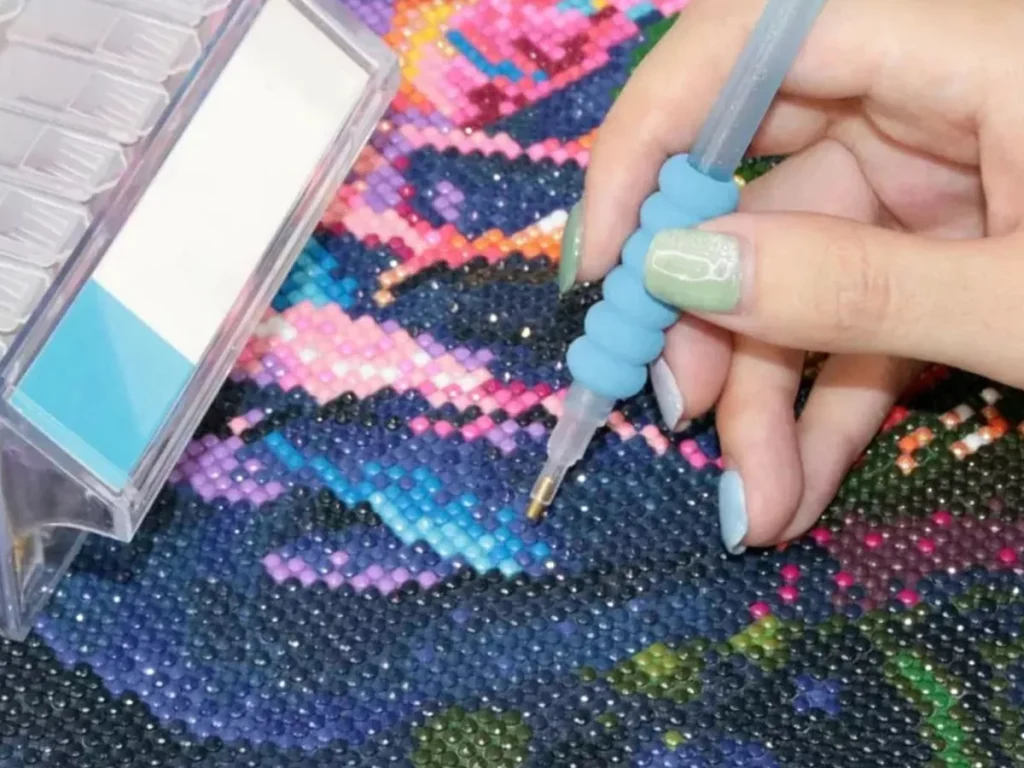
Isn’t it wonderful how time seems to bend when you’re really into something? Diamond painting is a great example of this. Putting each tiny, shiny item on your canvas in the appropriate place and watching a bright picture slowly come to life is almost like meditation. But this fun hobby can occasionally come with an unwelcome side effect: pain in the wrist and hands. Making a few tweaks to how you deal with pain will let you keep enjoying this interesting hobby without any suffering.
Techniques for an Easy Crafting Experience
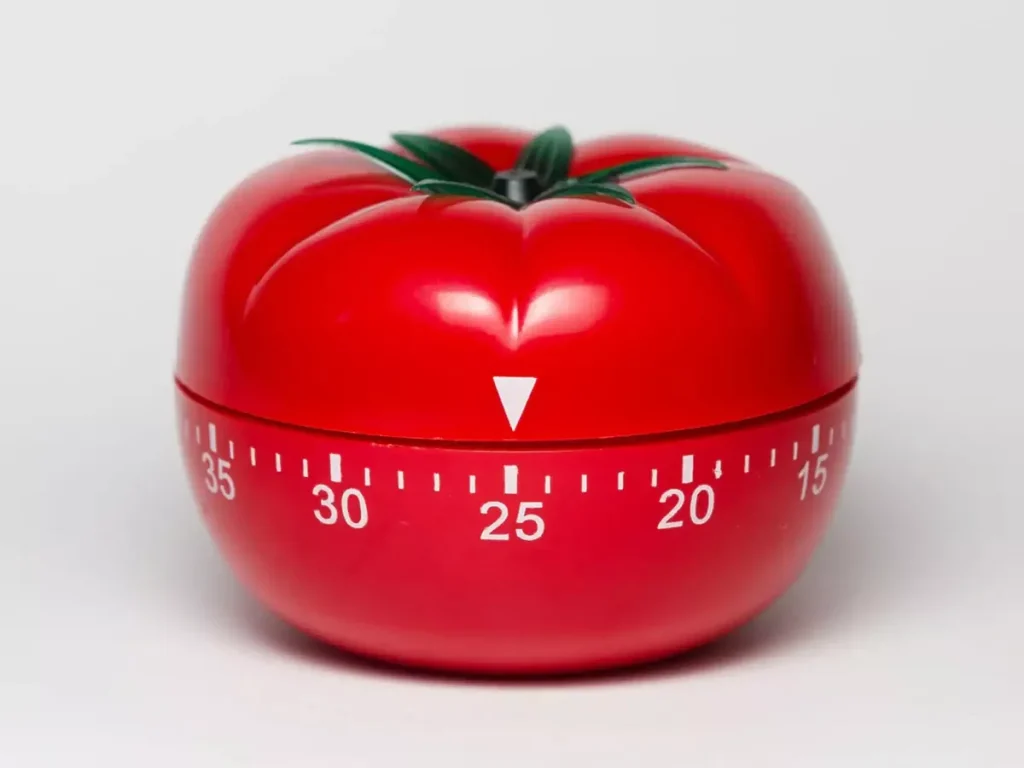
Embrace the Pause: The best and easiest thing to do is to take regular breaks. Taking a little rest will assist your muscles and joints relax. Set a timer to help you remember how long your crafting sessions last. You may considerably enhance your endurance by working for 25 minutes and then resting for 5 minutes, whether you use a smartphone app or a regular kitchen timer. This strategy, which is based on the Pomodoro Technique that productivity fans enjoy, could change the way people work on creative projects for a long time.
Stretch and Bend: Don’t just sit there and do nothing during those breaks! Stretch your hands, flex your fingers, and move your wrists. This makes your muscles stronger and relieves tension over time. Add some easy exercises to your routine to keep your fingertips flexible and ready for more diamond putting.
Improving Comfort with Appropriate Instruments and Methods
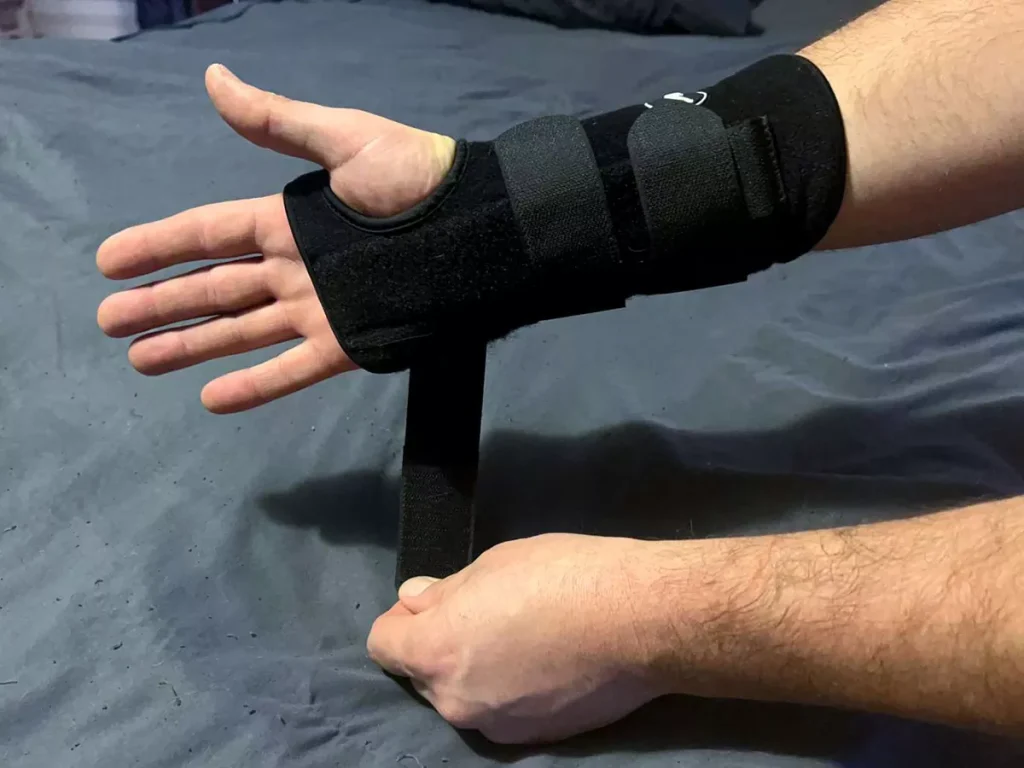
Supportive Gear: Depending on where your body suffers, wearing a supportive glove, brace, or wrap may help. These tools let you pick up and place gems with ease while keeping your fingers free and reducing strain.
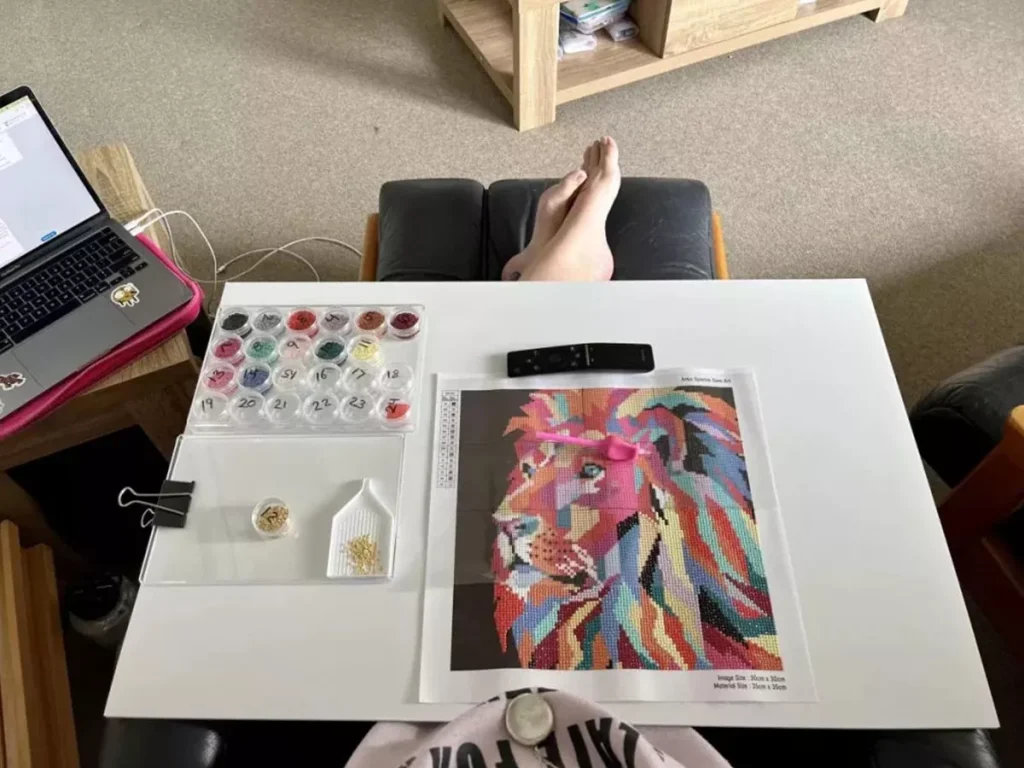
Make the Most of Your Crafting Space: Pain is often caused by a bad place to work. Look around to make sure you’re not leaning over your desk or putting too much strain on your neck for a long time. If you want to improve your posture, you might want to buy a drafting table or tabletop easel. Also, put your tools and materials in places that make it easy for you to get to them without having to extend or strain too much.
Ergonomic Tools: Sometimes, the tool you use can hurt your hands. If you have difficulties holding your standard pen, you might want to check at ergonomic options. Look for pens with cushioned insides or wider handles to make them easier to hold. People with joint difficulties, including arthritis, can benefit a lot from ergonomic pens that are made in certain ways.
Switch It Up: Don’t rely only on your dominant hand. Switching hands not only offers your dominant hand a break, but it also helps your motor skills and keeps your brain engaged by forcing you to accomplish different things.
Talk to your doctor about other ways to manage your pain. They can treat the underlying conditions or give you medical therapy to help with your symptoms.
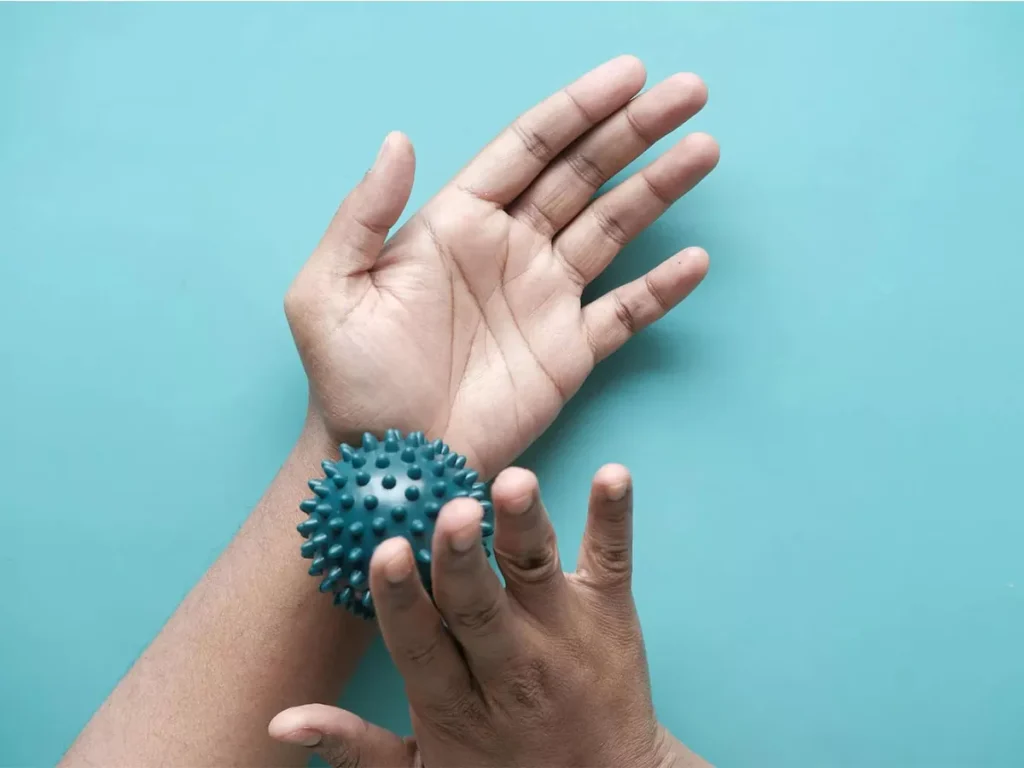
With each stitch, keep in mind that you are not only producing art but also transforming your strength and determination into a captivating tapestry that tells timeless stories.
